


Clean Your Electric Kettle For A Better Morning Brew
Electric kettles have become incredibly popular because they can bring water to a boil in a fraction of the time it would take using a stovetop tea kettle (or even using a microwave, for that matter!) Unfortunately, this humble workhorse is often overlooked where cleaning is concerned.
It’s important to clean appliances that use water regularly, especially if you have hard water like I do! Limescale and other mineral deposits can build up inside appliances over time, and eventually impair their performance or shorten their lifespan. This is especially true for appliances you use daily, such as your trusty electric kettle.
Related: 6 Unexpected Ways To Remove Rust With Things You Have At Home
If left unchecked, that gunky buildup (called “kettle furring,” which is gross) can really spoil your morning tea or coffee if flakes of it end up floating in your drink. To avoid that, today I’ll show you easy ways to descale, clean, and care for your electric kettle to keep it in good working order for a long time to come!
How To Clean Electric Kettles: 2 Easy Methods
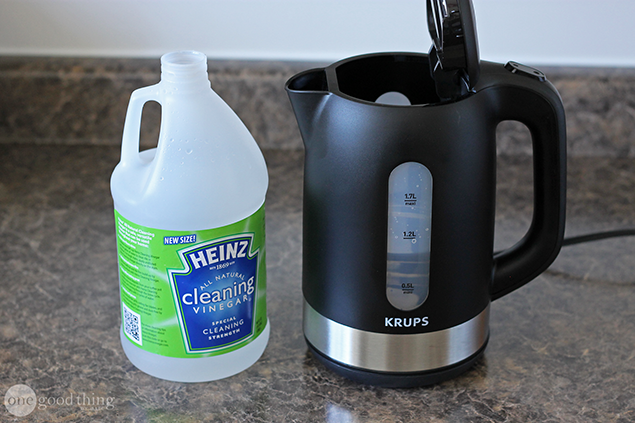
1. Vinegar Method
Start by filling your kettle about halfway with equal amounts of water and white vinegar. Bring the kettle to a boil, turn it off (if it doesn’t turn off automatically), and allow the water and vinegar mixture to sit in the kettle for 15 to 20 minutes. Discard the water and vinegar after use.

2. Citric Acid Method
Fill your kettle halfway with water, and bring it to a boil. Once it has boiled, turn it off and add 1-2 tablespoons of citric acid powder to the water. Allow the water and citric acid mixture to sit in the kettle for 15 to 20 minutes, then discard.
Note: Some people recommend descaling kettles with sliced lemon, but I prefer citric acid. It packs more of a punch against limescale, and I don’t have to worry about any pulp or residue getting left behind.
Don’t Forget These Finishing Touches!

1. Scrub Stubborn Residue
Depending on the state of your kettle, you may find that it needs a bit of additional scrubbing to get it clean after using either of the descaling methods above.
Use a soft scrubber pad (I LOVE these Scrub Daddy pads!) to gently scrub the inside of the kettle, then rinse well with fresh water. You can also use the scrubber to clean the exterior of the kettle if it needs it.

2. Check The Filter
If your kettle has a filter near the spout like this one does, make sure to rinse it clean often. If you find scale build-up on the filter, simply soak it in a small glass of vinegar for several minutes to loosen the build-up, then use a scrubbing pad or brush to get it clean.

3. Rinse Thoroughly
Once the kettle is clean, boil and discard a couple of kettles of fresh water to ensure that no vinegar taste or smell gets left behind. This step is less important if you’re using the citric acid method to de-scale, but it’s still a good step to do!
Related: All-Natural Tea Treatments For Common Ailments
Additional Tips
- Empty your kettle after each use to help reduce mineral buildup. Try to boil only as much water as you need to eliminate waste.
- Never immerse an electric kettle in water, which can damage the heating element.
- Clean the outside of your kettle at least once a week to keep that shiny, new look.
- Clean and descale your kettle every few months, or more often if you have hard water.
- Use distilled or filtered water in your kettle to prevent mineral deposits.
- In addition to boiling water for tea, you can use a tea kettle to boil water for oatmeal, instant mashed potatoes, instant soup, hot chocolate, and other foods and drinks.
- A clean kettle is a green kettle because it uses less energy and extends the life of your kettle.
Explore Cleaning Tips For Other Appliances
More Ideas You'll Love

- Now that your kettle is sparkling clean, check out these other cleaning tips for small kitchen appliances:
- How To Clean Your Toaster So It Looks Brand New!
- How To Clean A Microwave: With AND Without Vinegar
- How To Deep Clean Your Instant Pot And Keep It Like New
How often do you clean your electric kettle?







Hi, Your kettle looks like a plastic one, will you do the same for a stainless steel kettle?
Please log in or create a free account to comment.Yes, the same method will work for stainless steel!
Please log in or create a free account to comment.Use the warm vinegar water to clean the drains. Pour 1/2 up of baking soda in a drain and then empty the kettle into it. Also pour the hot water from the follow up rinse in the drain.
Please log in or create a free account to comment.Citric acid can be found in the bulk bins of the natural type markets. In my area that is Sprouts.
I wonder if this post will show up??? mine for the oils and diffuser did not..oh, who won that?? I never see posts for winners of these wonderful items……
Please log in or create a free account to comment.Just wondering…
All the posts show up, there is just a bit of a delay! The winner was announced on Facebook a week or so ago and they were emailed directly :-)
Please log in or create a free account to comment.Citric acid can be found with the canning supplies at any grocery store.
Please log in or create a free account to comment.Yes, I buy it from Walmart.
Please log in or create a free account to comment.Citric acid seems like it might not be so easy for everyone to find. Do you think that baking soda might be an good alternative?
Please log in or create a free account to comment.It’s an either, or suggestion. You can either use vinegar or citric acid.
Please log in or create a free account to comment.You can order it off amazon.com if it’s not in your grocery stores. (I couldn’t find it in mine.)
Please log in or create a free account to comment.Baking soda isn’t too similar to citric acid, but here’s a link to some on Amazon! http://ogtbj.com/1KDEbwd
Please log in or create a free account to comment.Powdered Tang is a great alternative. Tang will also do a superb job cleaning the dingy look out of your dish washer!
Please log in or create a free account to comment.Just checked and a 72 oz canister of powdered Tang is MUCH less expensive than citric acid. ($10 for 72oz vs $3 for 7.5oz of citric acid here) And it’s the citric acid in the Tang that does all the heavy lifting for cleaning.
I simply use a small stainless steel coil (aka a Steel Mesh Kettle Protector): simply place the kettle protector in your kettle.
Please log in or create a free account to comment.The limescale fur will collect on the fine stainless steel mesh as the water boils, keeping the kettle free of deposits, reducing boiling time, energy costs, and provavly prolonging the life of the kettle.
Simple to clean in a cupful of vinegar at same time as you clean the filter
Where do you get this type of coil?
Please log in or create a free account to comment.Having lived in London for 40 years, I’ve seen the electric kettle evolve from a squat aluminium workhorse to a sleek and elegant appliance that lifts off its base. Great for a “cuppa,” of course, but it really earns its keep when boiling a lot of water to cook pasta, potatoes, rice, etc. I can remember, in the bad old days, putting a giant pot of water on the stovetop to boil, then making a complicated pasta sauce, and when the sauce was made, the water was almost ready for the spaghetti!
Please log in or create a free account to comment.Great tip Janet!
Please log in or create a free account to comment.